

Book Sprints for Academia: Making Research Accessible

AUDITING Al, the book written during a Book Sprint organized by the University of Michigan, was just published in The MIT Press Essential Knowledge series. Designed for a broad audience, from concerned citizens to journalists and decision-makers, the book equips everyday readers to recognize and react to the potential harm Al can cause, championing a future where independent audits of Al systems become the norm.

“THE BOOK IS OUT!! Now I have an accessible book to point people to that will explain this research to a layperson, policymaker, businessperson, concerned citizen, or student…”
– Prof. Christian Sandvig, McLuhan Collegiate Professor and Director, Center for Ethics, Society, and Computing (ESC), University of Michigan
THE CHALLENGE
- Transdisciplinary Boundaries: A book that captures social and technological aspects requires bridging the limits of singular disciplines to create a cohesive argument.
- A Non-Academic Target Audience: The MIT Press Essential Knowledge series challenges academics to write for a wider audience beyond academia.
- Academic Standards under Time Pressure: Researchers face a unique challenge in maintaining high academic standards while quickly publishing on rapidly evolving topics.
THE SOLUTION: THE BOOK SPRINT METHOD
- Collaborative Think tank: Our approach enabled computer scientists, lawyers, and journalists to reflect on their research from different perspectives and build a more integrated narrative.
- Accessibility: Collaborating across disciplines helped to break down jargon and ensure a writing style that flows easily and remains accessible to a broader audience.
- Facilitated Productivity: This intensive collaboration allowed the team to successfully distill complex topics for a wider audience, while producing a high quality manuscript suitable for academic publishing.
A Legacy of Collaborative Publishing: University of Michigan
This Book Sprint builds on a multi-year partnership with the University of Michigan. The first Sprint was initiated by Prof. Lisa Nakamura, who has hosted three Book Sprints since, and inspired other projects like Christian Sandvig’s Al Auditing, and the Singing Justice Collective, to collectively write a book based on their many years of research.

Technoprecarious
Goldsmiths Press
November 2020

Technoskepticism
Stanford University Press
February 2025
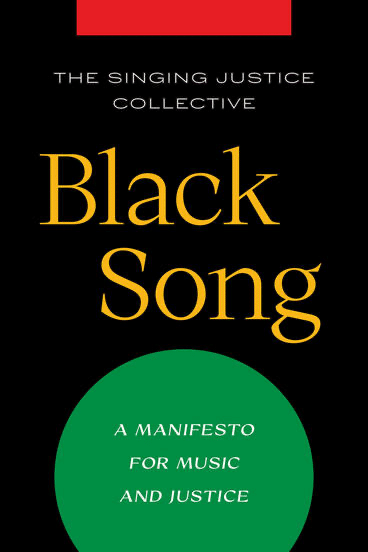
Black Song.
University of Michigan Press
Forthcoming November 2026

Auditing Al
MIT Press
April 2026
“The future of the humanities is collaborative, because there’s just too much for anyone to do […] big problems like that aren’t going to be fixed by one person taking six years to write by themselves.”

– Prof. Lisa Nakamura
Gwendolyn Calvert Baker Collegiate Professor, University of Michigan (Three-time Book Sprint Organizer)
“(..) the Book Sprint was a turning point for us- the intensity of that process, being together for five days. I don’t think we would have ever gotten this book done without the Book Sprint., then we wrote 57,000 or so words over that week”

– Prof. Stephen Berrey
Associate Professor, Singing Justice Collective, University of Michigan
Discover More Academic Case Studies
See how other cross-disciplinary researcher cohorts turn complex datasets into high-impact published monographs over accelerated timelines.